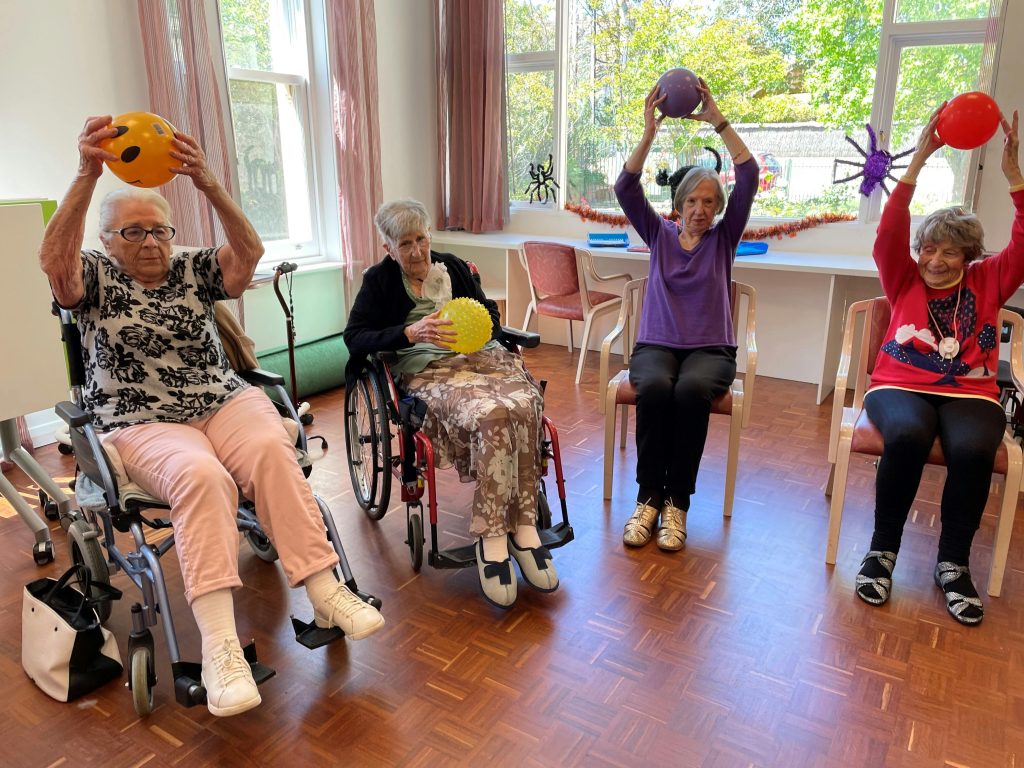
In the realm of memory care marketing, the incorporation of virtual tours has emerged as a transformative strategy, offering a dynamic and immersive way to showcase the unique environments and specialized services of memory care centers. This comprehensive guide delves into the multifaceted role of virtual tours in elevating the marketing efforts of memory care centers. Employing the MECE (Mutually Exclusive, Collectively Exhaustive) framework, we explore the critical aspects that facilities need to consider to not only enhance their online visibility but also effectively communicate their commitment to providing exceptional care for individuals with memory-related conditions.
I. Introduction
A. Significance of Virtual Tours in Memory Care Marketing
Memory care centers face the challenge of communicating their supportive and compassionate environment effectively. Virtual tours play a pivotal role in addressing this challenge:
Immersive Experience: Virtual tours offer a realistic and immersive experience, providing potential residents and their families with a firsthand look at the facility.
Fostering Trust: By showcasing the physical space and amenities, virtual tours build trust by offering transparency about the living conditions and care provided.
Emotional Connection: Individuals considering memory care for their loved ones can establish an emotional connection with the facility through virtual tours.
II. Planning and Implementing Virtual Tours
A. Tailoring Virtual Tours to Memory Care
Understanding Audience Needs
Audience
Consideration
Families
Highlight safety features, engaging activities, and the compassionate staff-to-resident ratio.
Potential Residents
Emphasize the comfort and homeliness of living spaces, communal areas, and specialized memory care programs.
Addressing Sensitivities
Privacy Concerns: Ensure that virtual tours respect the privacy of current residents and adhere to ethical considerations.
Creating a Calming Environment: Use soft colors and calming visuals in the virtual tour to accommodate individuals with memory-related conditions.
B. Types of Virtual Tours for Memory Care
Tailored Virtual Tour Types
Virtual Tour Type
Purpose
Room Tours
Showcase individual living spaces, emphasizing comfort and personalization.
Communal Areas
Highlight communal spaces, activity rooms, and outdoor areas that encourage socialization.
Memory Care Programs
Provide an overview of specialized memory care programs and engagement activities.
Interactive Elements
360-Degree Views: Incorporate interactive elements allowing viewers to explore spaces from different angles.
Narrated Tours: Enhance engagement with narrated tours, guiding viewers through the facilities and explaining key features.
III. Producing High-Quality Virtual Tours
A. Equipment and Resources
Essential Virtual Tour Resources
Resource
Description
360-Degree Camera
Utilize a high-resolution camera for capturing immersive visuals.
Virtual Tour Software
Choose user-friendly software for creating interactive and engaging virtual tours.
Professional Narration
Consider professional narration to enhance the guided experience.
B. Ensuring Accessibility
Mobile Compatibility: Optimize virtual tours for mobile devices to cater to a wide audience.
Accessibility Features: Implement features such as alt text and captions to ensure accessibility for individuals with disabilities.
IV. Optimizing Virtual Tours for Online Visibility
A. Integration with Website and Social Media
Website Integration
Dedicated Virtual Tour Section: Create a dedicated section on the website for easy access to all virtual tours.
SEO Optimization: Implement descriptive titles, meta descriptions, and alt text with relevant keywords.
Social Media Showcasing
Teasers and Highlights: Share teaser clips on social media platforms to generate interest and drive traffic to the website.
Engagement Strategies: Encourage viewers to share their thoughts and experiences after viewing the virtual tour.
B. Measuring Engagement Metrics
Virtual Tour Analytics
Metric
Description
Views
Track the overall number of views for each virtual tour.
Interaction Rate
Measure the level of engagement through interactive features.
Click-Through Rate
Evaluate the percentage of viewers who navigate to other areas of the website after the virtual tour.
V. Enhancing the Resident and Family Experience
A. Virtual Family Visits
Connecting Loved Ones: Offer virtual visits for families who may be geographically distant, fostering a sense of connection.
Scheduling Convenience: Provide options for scheduling virtual visits, accommodating the diverse schedules of families.
B. Assisting Decision-Making
Informed Decision-Making: Virtual tours empower families to make informed decisions by providing a comprehensive understanding of the facility.
Facilitating Remote Assessments: Professionals involved in the decision-making process can remotely assess the suitability of the environment.
VI. Legal and Ethical Considerations
A. Consent and Privacy
Obtaining Consents: Ensure explicit consents from residents and staff before featuring them in virtual tours.
Privacy Standards: Adhere to legal and ethical standards, prioritizing the privacy and dignity of residents.
VII. Conclusion
In conclusion, virtual tours have become integral to the marketing strategy of memory care centers, offering a powerful tool to communicate their commitment to compassionate care. By strategically planning and implementing virtual tours, memory care facilities can not only enhance their online visibility but also build trust and emotional connections with potential residents and their families. Embrace the immersive world of virtual tours to showcase the warmth, dedication, and exceptional care that defines your memory care center.